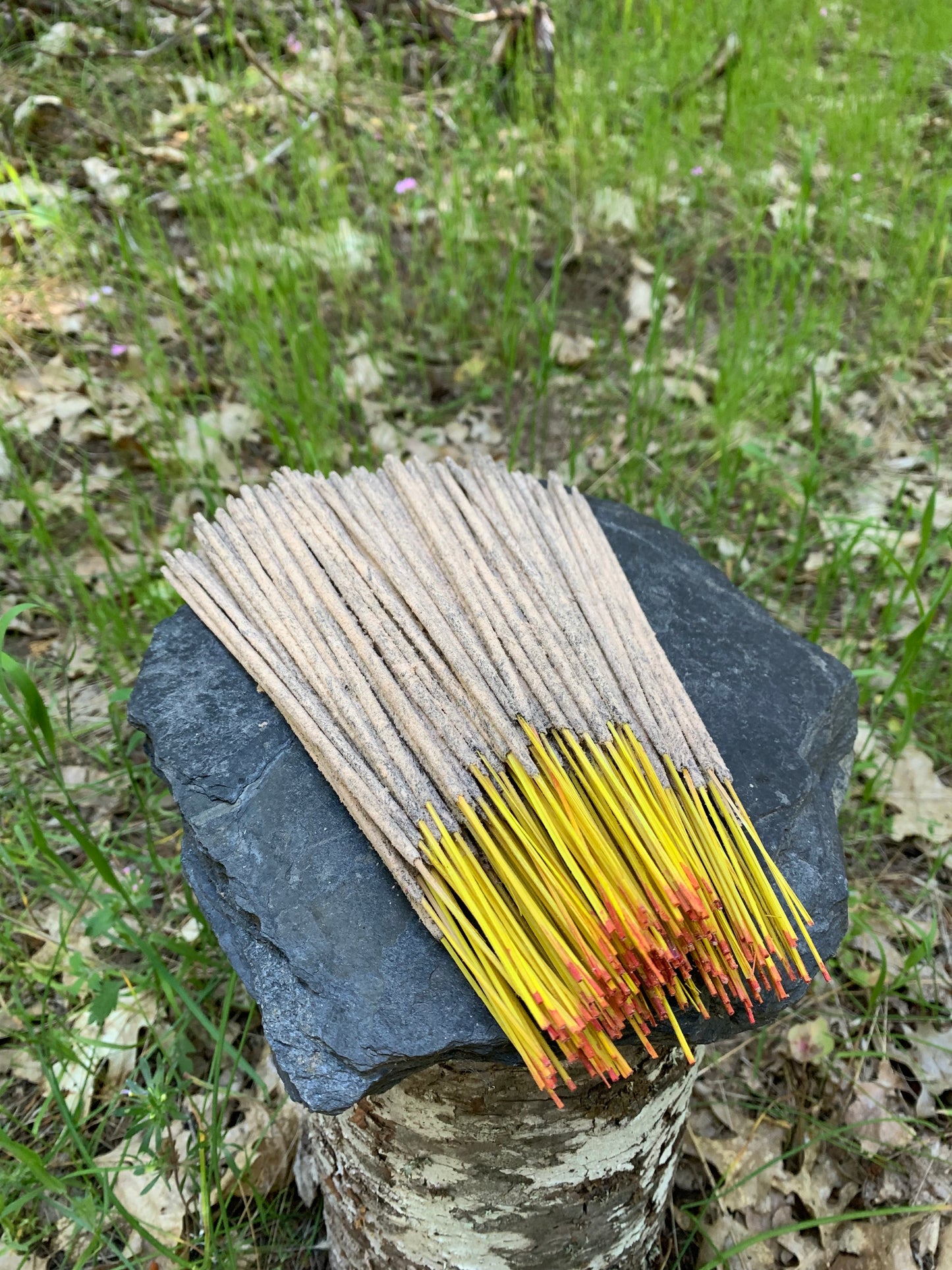
The History of Amber Incense: Indian Perfumery, Resin Blends, and Traditional Fragrance
Amber incense has become one of the most beloved fragrance styles in traditional Indian incense making. Warm, resinous, slightly sweet, and beautifully layered, amber is found in everything from handcrafted masala incense and temple-style blends to luxury attars and modern artisan fragrances.
Unlike sandalwood, oud, or frankincense, however, amber is not a single botanical ingredient. It is a carefully composed fragrance accord built from aromatic resins, woods, spices, balsams, florals, and musk-like notes. Every incense maker creates their own interpretation, which explains why no two amber incense sticks smell exactly alike.
Today, amber remains one of the most popular fragrance families in Indian incense, prized for its comforting aroma, versatility, and remarkable depth.

What Is Amber Incense?
One of the most common misconceptions is that amber incense is made from fossilized amber gemstones. While fossilized amber has been valued for jewelry and ornamentation for thousands of years, it is rarely used in traditional incense.
Instead, amber incense refers to a fragrance profile inspired by the warm scent of natural aromatic resins and traditional perfumery.
Most Indian amber incense is built around ingredients such as:
- Benzoin resin
- Labdanum
- Vanilla-like balsams
- Sandalwood
- Cedarwood
- Patchouli
- Floral absolutes
- Musk accords
- Aromatic spices
- Oudh (agarwood)
Each incense house balances these materials differently, creating fragrances that may lean sweet, woody, resinous, smoky, floral, spicy, or musky.
Rather than one fixed recipe, amber is an artistic style of fragrance composition.
What Does Amber Incense Smell Like?
Amber incense is known for a warm, rich, and slightly sweet fragrance with layers of resin, wood, spice, and soft floral notes. Depending on the blend, amber incense sticks may smell creamy, powdery, smoky, woody, musky, or balsamic.
Traditional Indian amber incense often combines ingredients like benzoin resin, sandalwood, oud, musk, and floral extracts to create a deep fragrance that develops gradually as it burns.
Amber in Indian Perfumery
Long before incense sticks became popular, India had already developed one of the world's oldest perfume traditions.
Classical Indian perfumery centered around attars, natural perfume oils distilled into sandalwood, and sophisticated fragrance compositions combining flowers, herbs, spices, woods, and aromatic resins.
Although "amber" as a named fragrance evolved later through both Indian and Middle Eastern perfume traditions, many of its defining ingredients have been used across the Indian subcontinent for centuries.
Perfumers blended warm resins with:
- sandalwood
- saffron
- hina
- kasturi-inspired fragrances
- rose
- jasmine
- vetiver
- agarwood (oud)
The result was a family of luxurious fragrances that felt rich, smooth, and enduring, the same qualities that define amber incense today.

Amber and Ancient Indian Fragrance Traditions
India has a long history of aromatic materials appearing in religious, cultural, and literary traditions.
Ancient Sanskrit literature and Ayurvedic traditions describe the use of fragrant woods, herbs, gums, and resins for ceremonial, medicinal, and domestic purposes.
Ingredients such as:
- sandalwood
- agarwood
- guggul
- benzoin-like resins
- camphor
- saffron
- aromatic flowers
were treasured for their fragrance and frequently combined into increasingly sophisticated aromatic preparations.
While today's "amber" fragrance is a modern perfume accord rather than an ancient recipe, it draws heavily from this centuries-old tradition of layering resins, woods, spices, and florals into complex aromatic blends.
Why Amber Became So Popular in Indian Incense
Amber works exceptionally well in hand-rolled masala incense because it creates depth without overwhelming the senses.
Instead of one dominant note, amber evolves gradually throughout the burn.
Many enthusiasts notice:
- warm resinous sweetness
- soft vanilla-like balsams
- creamy woods
- subtle spice
- floral undertones
- smooth musk
- lingering warmth
This complexity makes amber one of the easiest fragrances to enjoy daily.
It is equally at home during meditation, quiet evenings, reading, yoga, or simply adding warmth to a living space.
Amber in Temple and Masala Incense
Many traditional Indian incense makers use amber-inspired accords as the foundation for temple-style masala incense.
Rather than highlighting one ingredient, these blends combine dozens of aromatic materials into a harmonious whole.
Common ingredients include:
- sandalwood powder
- halmaddi resin
- benzoin
- frankincense
- myrrh
- copal
- herbs
- spices
- floral oils
- botanical extracts
When hand rolled using traditional masala methods, these ingredients burn slowly, allowing the fragrance to unfold naturally over time.
This layered character is one reason amber remains so popular among collectors of artisan Indian incense.

Amber Beyond India
Amber fragrances are also deeply connected with perfumery throughout the Middle East, where warm resinous compositions became associated with luxury perfumes, bakhoor, and oud blends.
As trade expanded across Asia through ancient spice routes and maritime commerce, aromatic materials, including benzoin, agarwood, sandalwood, cloves, cinnamon, and numerous resins, circulated between India, Southeast Asia, Arabia, and beyond.
These exchanges influenced regional perfume traditions and helped shape the rich amber-inspired fragrances enjoyed today.
Modern Indian incense often reflects this shared heritage by blending sandalwood, oud, spices, florals, and resins into sophisticated amber compositions.
Different Styles of Amber Incense
One of the joys of exploring amber incense is discovering how differently each manufacturer interprets the fragrance.
Some popular styles include:
- Classic Amber - smooth, warm, and resinous.
- Amber Oudh - rich amber blended with deep agarwood notes.
- Amber Rose - floral elegance balanced with warm resins.
- Amber Honey - sweet balsamic warmth with subtle honey notes.
- Amber Kasturi - amber layered with traditional Indian musk accords.
- Baltic Amber - inspired by the warm golden character associated with amber resins and woods.
- Temple Amber - complex masala blends emphasizing sandalwood, spices, and aromatic resins.
Every interpretation offers its own personality while remaining unmistakably "amber."
Amber Incense at The Everest Trader
Our Amber Incense Collection brings together handcrafted Indian incense from respected manufacturers across India, allowing you to experience many different interpretations of this classic fragrance family.
Our collection includes:
- Baltic Amber
- Emperor of Amber
- King of Amber
- Amber Essential
- Natural Royal Amber
- Amber Jungle
- Amber Honey
- Amber Rose
- Amber Oudh
- Amber Kasturi Superior
- Black Amber Kasturi Musk
- Meena Sai Amber Flora Bathi
- Special Amber
- Legend
Each incense has been carefully selected for its fragrance quality, traditional production methods, and unique interpretation of amber.
Whether you prefer sweet balsamic warmth, resin-rich temple aromas, woody sophistication, floral elegance, or deep musky blends, our collection offers an amber fragrance for every incense enthusiast.

Why Amber Remains One of the World's Favorite Incense Fragrances
Few fragrance families offer as much versatility as amber.
It can be:
- comforting without being heavy
- luxurious without being overpowering
- sweet without becoming cloying
- resinous while remaining smooth
- equally suitable for meditation, relaxation, prayer, or everyday enjoyment
Its remarkable balance explains why amber continues to inspire perfumers and incense makers throughout India and across Asia.
For many incense enthusiasts, amber is not simply another fragrance, it is often the scent they return to again and again.
Final Thoughts
Amber incense represents the meeting point of India's rich incense traditions, classical perfumery, and centuries of aromatic craftsmanship. Built from layers of resins, woods, spices, florals, and botanical ingredients, it offers one of the most complex and rewarding fragrance experiences in traditional Indian incense.
Whether you're discovering amber incense for the first time or expanding an existing collection, exploring different amber blends reveals just how diverse this fragrance family can be. From classic resinous compositions to amber oudh, amber rose, and kasturi-inspired blends, each interpretation tells its own story while remaining rooted in India's enduring love of fragrance.
If you enjoy warm, rich, and beautifully layered aromas, amber incense is one of the finest places to begin, or continue, your journey through the world of traditional Indian incense.
Continue Exploring Traditional Indian Fragrances
Learn more about the ingredients and traditions behind some of India's most iconic incense: